Germany is facing a severe shortage of skilled workers due to an aging population, leading to recruitment efforts, particularly from India, for vocational training and skilled trades
Driven by an aging population and the mass retirement of the baby boomer generation, Germany is grappling with a chronic and structural shortage of skilled workers. As Europe’s largest economy, the country is facing critical workforce shortages across multiple sectors, including healthcare, engineering, IT, and energy.
Faced with such a severe shortage, the country is trying to alleviate the problem by recruiting talent from abroad, with a particular focus on India.
The initiative began in 2021 after Henrik von Ungern-Sternberg was contacted by Magic Billion, an Indian employment agency that provides candidates for vocational training programs.
The gist of the email was: “We have lots of young, motivated people looking for vocational training, and we’re wondering if you’re interested.”
Handrik von Ungern-Sternberg was then working at a firm in southwest Germany that represented skilled workers ranging from bricklayers to carpenters to butchers.
Speaking to the BBC, Handrik von Ungern-Sternberg said that there were many desperate employers who couldn’t find anyone to work for them. “So we decided to give it a try.”
Recognizing a nationwide decline in traditional German trades, he contacted the head of the local butchers’ guild. The sector’s decline has been stark: while Germany had 19,000 small, family-run butcher shops in 2002, fewer than 11,000 remained by 2021.
According to Joachim Lederer, recruiting young people has become incredibly difficult because the butchery trade requires “hard work.” He noted that younger generations are pursuing different career paths, leading to a severe shortage of skilled labor in the sector.
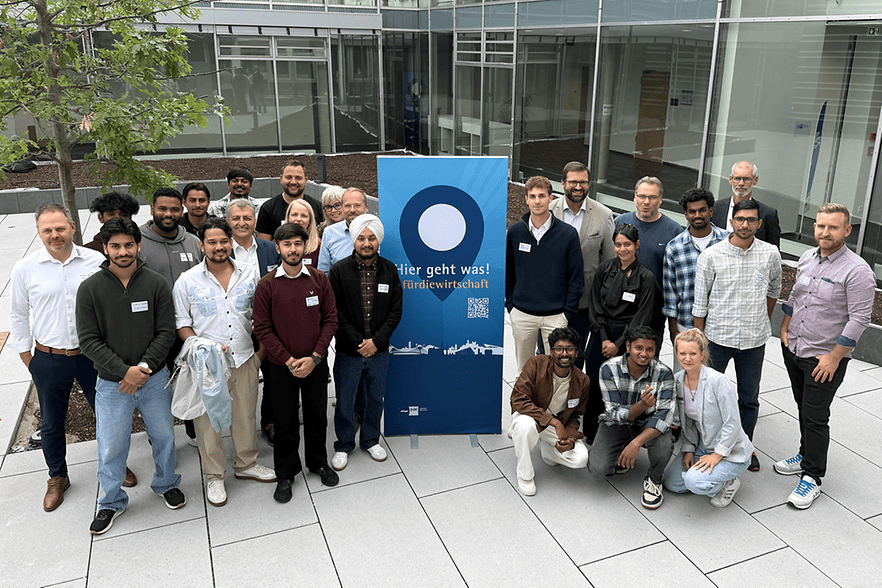
Over the years, von Ungern-Sternberg established his own employment agency, India Works, which has successfully brought 200 young Indians to work in German butcher shops. This influx of workers is driven by necessity rather than choice, as Germany grapples with a severe demographic crisis.
Conversely, India has a massive labor surplus. “India is a country with 600 million people under the age of 25,” Aditi Banerjee of Magic Billion the BBC, highlighting the nation’s vast workforce potential.
According to a 2024 study by the Bertelsmann Foundation think tank, the economy needs to attract 288,000 foreign workers annually; otherwise, its workforce could decline by 10 percent by 2040.
In 2026, India Works expects to bring 775 young Indians to Germany for apprenticeships. This group will include road builders, mechanics, stonemasons, and bakers, among other trades. This expansion follows Berlin’s 2024 announcement that it would increase the annual skilled worker visa quota for Indian nationals from 20,000 to 90,000.
According to a January 2026 study by the business dailyHandelsblatt, Indian expatriates in Germany earned roughly 29% more than their local counterparts in 2024. With a median gross monthly income of €5,393 (Rs 5,68,900) compared to €4,177 (Rs 4,34,000) for German workers, these lucrative prospects—combined with a shortage of jobs at home—are drawing a wave of Indian talent to Europe.